About Treatments
Where can I get help?
Comprehensive inpatient treatment for marijuana addiction is provided at Addiction Rehab Toronto. We offer a positive, judgment-free environment in which people can address and work on underlying issues, overcome their addiction to marijuana and heal damaged relationships with close friends and family members.
Our staff is a hand selected group of professional therapists, substance abuse specialists and addiction counsellors. Their sole purpose is to carefully guide individuals through the entire recovery process. Recovery starts with admission into our inpatient facility. Recovery does not stop when the inpatient program is over. Our addiction aftercare program provides continuing support after our patients have gone home.
Our holistic approach is designed to treat the individual, not just the addiction. Our clients are guaranteed to leave our facility feeling positive about themselves. They go on to lead productive and happy lives, free from substance abuse.
Marijuana Addiction Treatment
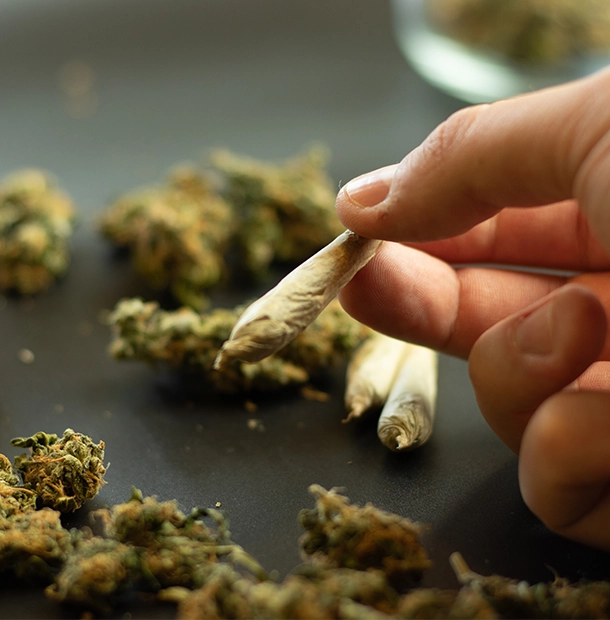
Marijuana is one of the most controversial drugs in the world today. As of October 17th, 2018, the recreational use of Marijuana is legal in Canada. Canada is not just the only country that started to implement federal legislation allowing the usage of Marijuana to become prevalent and normal. Many countries have legalized its use and more people can access it for medical and recreational purposes. Nevertheless, marijuana abuse and addiction can be a problem for individuals and loved ones.
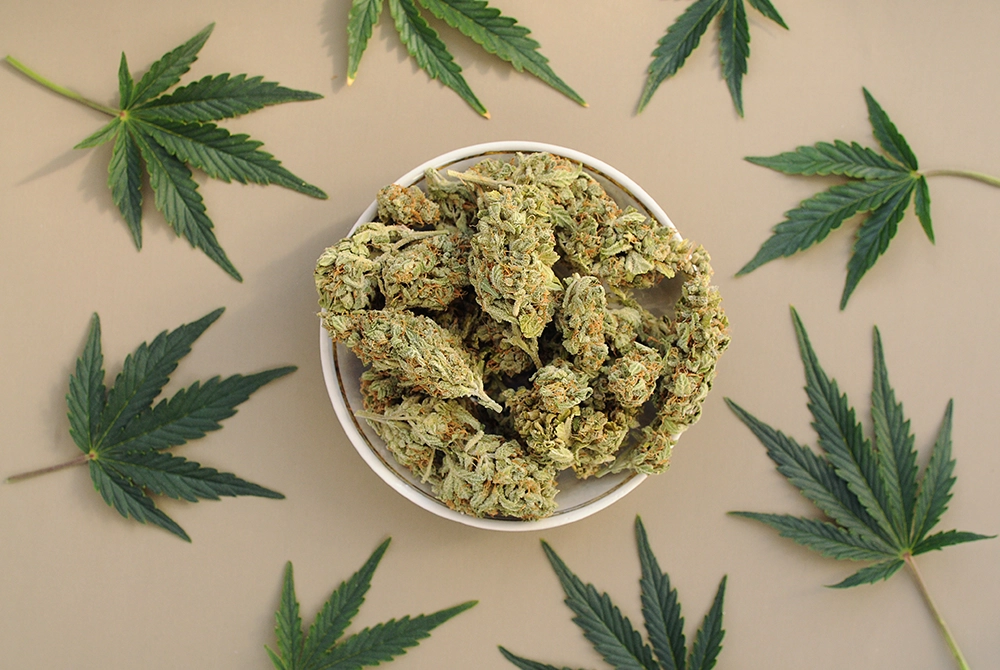
Marijuana is the dried seeds, stems, flowers and leaves of the Cannabis Indica or the Cannabis Sativa plant. Cannabis has a chemical called THC which produces psychedelic mind-altering effects on an individual.
Marijuana can be consumed by/through:
- joints/ hand-rolled cigarettes
- water pipes/ bongs
- blunts/ cigar wraps
- vaporizers
- wax
- shatter
- edibles
Weed, which is another term for marijuana, is the most common drug being used, especially for young adults. Which is not surprising because THC has been steadily increasing in the past decades.
What happens at inpatient treatment programs?
During inpatient marijuana addiction treatment patients live at our facility 24/7. They our constantly monitored by professional addiction specialists, and peers who are struggling with substance abuse as well.
All individuals are different. Their circumstances, needs and goals are as unique as they are, and our treatment plans reflect that. We work with a wide range of treatment methods, including the following:
- Individual counselling
- Family counselling
- Group counselling
- Recreational programs
- Art therapy
- Music therapy
- Self-portrait photography
- Yoga and meditation
- Nutritional counselling
- Pilates
- Physical fitness and personal training
- Seminars on life management and relapse prevention
- Aftercare
If you or a loved one needs help with marijuana addiction, talk to one of our specialists by calling 1-855-787-2424, or email us at info@addictionrehabtoronto.ca. We will talk to you about your treatment options, show you the facility and answer any questions you may have.
Marijuana Addiction Symptoms
An individual suffering from Marijuana cannot function on a daily basis without the need for the high and relaxation from Marijuana. There are many different effects that can be experienced after the usage of Marijuana. On a physical basis, when marijuana is consumed through inhalation, it can irritate the lungs which may lead to asthma attacks, bronchitis, and chronic cough. When smoked, the THC passes from the lungs into the bloodstream, blood then, takes the chemical to the brain as well as to other organs in the body. It can affect specific brain cell receptors that react to natural chemicals like THC and replace them. These chemicals are important in the normal development and functioning of the brain, and THC can over-activate certain areas that can leave an individual feeling high.
Marijuana use is also known to affect the brain development of younger brains. THC can affect the learning, thinking and memory functions of the brain. In addition, the brain is the conductor of the body, THC affects an individuals concentration, reaction to stimuli and coordination – making simple tasks like driving a car or riding a bike difficult.
In worse scenarios, marijuana in higher and larger dosage throughout development could result in psychosis and hallucinations that make an individual paranoid. In addition, an individual can see changes in mood, impaired memory, altered senses, inability to focus, difficulty in motor and body movement and delusions.
Marijuana Addiction Treatment at Addiction Rehab Toronto
At Addiction Rehab Toronto, a facility that offers Marijuana Addiction addiction treatment in Toronto, our approach depends on the individual who requires treatment. Our Marijuana Addiction addiction treatment program starts with a comprehensive and thorough assessment of the patient’s level of Marijuana Addiction abuse. After that a customized recovery plan is developed specific to the individual. Each recovery program is designed to treat the entire individual, not just their immediate addictions. This includes addressing the underlying issues behind substance abuse, including identifying any potential co-occurring mental health issues.
Addiction Rehab Toronto strives to treat Addiction from a holistic and client-centred perspective that encompasses biopsychosocial components of Mental Health. The clinical Team focuses on the underlying mental health concerns and how the client can best address their cognitive functioning. Our team of addiction therapy specialist, psychotherapist, and clinical staff collaborate each day on how to meet and treat the unique mental health needs of every client. Techniques for coping with mental illness vary widely and can include strategies such as Cognitive Behavioural Therapy, Dialectical Behavioural Therapy, and psycho-education. Addiction Rehab Toronto looks at each client on an individual basis to best develop a personalized treatment plan.
Mental Health and Mental Health wellness mean taking care of your mind, body, and soul. It’s about focusing on mental health, mindfulness, and counselling. Through active addiction, the brain becomes impaired. A specialized addiction treatment plan utilizes an array of programming, methods, and activities to help rewire the brain to focus on individuals mental well-being and sobriety.
Mental, Physical and Spiritual support services offered include:
- One on One counselling
- Psychotherapy
- Mindfulness through Yoga, Reiki, Walks, Breathing Techniques,
- Independent Reflections, and Journalling
- Meditation
- Anger Management Programming
- Stress Management Programming
- Music Therapy
- Art Therapy
- Nutrition
- Fitness through our gym, outdoor walks, recreational activities, and fitness boot camps
- And more.
For so long, individuals have been burdened with the idea that being emotional and being vulnerable means being weak, but it’s important to embrace emotions as a key part of the addiction recovery process. Our Addiction treatment programming provides individuals with programming, methods, and activities that promote emotions as valid and wanted.
Emotional support services offered include:
- One on One Counselling
- Psychotherapy
- Group Therapy through weekly Programming on Relapse Prevention, Anger Management, Communications, Self-Esteem, Codependency, Values, Grief and Loss, Stages of Change, Self-Love, Loneliness, and much more
- Music Therapy
- Art Therapy
- Fitness Therapy such as Yoga, Reiki, and Maui Thai
- Outdoor campfire
- Onsite Therapy Dog
- Feelings Wheel
- Journalling
- And more.
It’s important to integrate family into each individual’s addiction recovery. As part of our treatment programming, we offer weekly Family Support days in which family members sit with their loved ones and a counsellor to have open and honest conversations about Addiction, Addiction Treatment, Recovery, Relapse Prevention, Support, Codependency, Healthy Boundaries, Communication, and Moving Forward in Recovery. As these factors intersect, we can better understand Mental Health in these aspects. In addition, on Sundays, when individuals are allocated time offsite, there is an emphasis on the importance of spending this time with family, friends, and loved ones that are a positive support system for a collective goal of sobriety and addiction recovery.
Support System Services offered include:
- Community Outings
- Group Therapy
- Sober Living
- Family Therapy
- Programming that focuses on: support systems, relapse prevention, situational triggers, codependency, and relationships
Aftercare - Family Support Day
- Constant communication between Counsellor and Family members
- Alumni Groups
- And more.
Our treatment incorporates individuals’ mental health well-being even after completing onsite treatment. We offer individuals an Aftercare program. Phase III is a 14-week outpatient program that helps prevent relapse and assist with the further development of problem-solving and coping skills required in day to day recovery. The Aftercare program allows individuals to identify their needs after their stay because the work of Addiction recovery is significantly enhanced with participation in an extended follow-up Aftercare program. Within Aftercare, individuals will work with our Addiction Specialized counsellors to continuously support through any distress on an individual’s mental, emotional, spiritual and physical well-being.
Marijuana Addiction – You are Not Alone
Marijuana can be just as addictive as consuming alcohol. About 10% of marijuana users can get addicted to it and they will eventually find it difficult to control their use of the drug. Addiction is when you the users still smoke or consume marijuana even if it’s already causing negative effects on their lives.
At Addiction Rehab Toronto, we advocate a mental health stigma-free world. We are actively involved in the conversations about Addiction, Addiction stigma and how they work together to stigmatize Mental Health. We pride ourselves in being an inclusive, safe, and non-judgmental space. We understand we only scratched the surface with Mental Health. Our Clinical Team is aware of how Marijuana Addiction can take control of our lives, as even though we may not always be able to wish it away, we will be by your side, supporting each step of Addiction Recovery and Mental Health. You are not alone and we are ready, and wanting to listen.
For information on our Marijuana Addiction treatment program, please give us a call at 1-855-787-2424, or email us at info@addictionrehabtoronto.ca. We’ll be happy to help you.
How serious is marijuana addiction?
Many people believe that marijuana is harmless, but for some people, it can create many of the same problems that addictions to other drugs do. Experiences with marijuana vary widely from one person to the next, with effects ranging from complete relaxation to paranoia and anxiety. In some cases, the individual can experience hallucinations.
Contrary to popular belief, people can become addicted to marijuana. Physical dependence is usually mild, but it can cause serious problems for a small percentage of users. The bigger risk is psychological dependence. Frequent users crave the sensation that marijuana gives them, and the drug takes on disproportionate significance in their lives. Social and family relationships can suffer, and the addiction can be financially and psychologically costly.
There is a misconception that marijuana is “good for you”. This idea is growing because of the rising use of marijuana for medical purposes. However, the medical benefits of marijuana have only been established for supervised use in specific doses, for the treatment of a small number of medical conditions.
How do I know when I should get marijuana addiction treatment?
Warning signs for marijuana addiction include loss of motivation for work or school, feelings of anxiety or irritation when the drug is not available and a compulsion to continue using it in spite of the effects on family relationships. Some users lose the ability to make sound decisions; others become incapable of attending social gatherings without first using marijuana.
If you are seeing these signs in yourself or a loved one, please contact us to discuss how we can help with marijuana addiction treatment. Our addiction specialists will be happy to assist you, answer questions and get you the help you deserve. You owe it to yourself and your loved ones.

Our Treatment Programs

Addiction Counselling Therapy
Addiction counselling therapy Toronto is the foundation for successful recovery. Addiction is multifaceted, and the struggle…

Opioid Addiction Treatment
Opioids are a class of drugs derived from poppies or chemicals. These drugs, which induce…

Meth Addiction Treatment
Methamphetamines are available in numerous different forms; however, the most common form is crystal meth. This…

Club Party Drug Addiction
Club and party drugs are often referred to as “designer drugs”. This catchall phrase includes a…

Cocaine Addiction Treatment
Since the counterculture revolution of the 1960’s, cocaine abuse and addiction have become an increasingly prevalent…

Marijuana Addiction Treatment
The residential treatment program at Addiction Rehab Toronto offers marijuana addiction treatment Toronto. Our specialized…

Prescription Drug Addiction Treatment
Unfortunately, prescription drug addiction is becoming widespread across Canada, and there is a pressing demand for…

Amphetamine Addiction Treatment
It is an unfortunate fact that there is a growing demand for amphetamine addiction treatment Toronto…