
Our Treatments

Club/party Drug Addiction Treatment in Toronto, ON
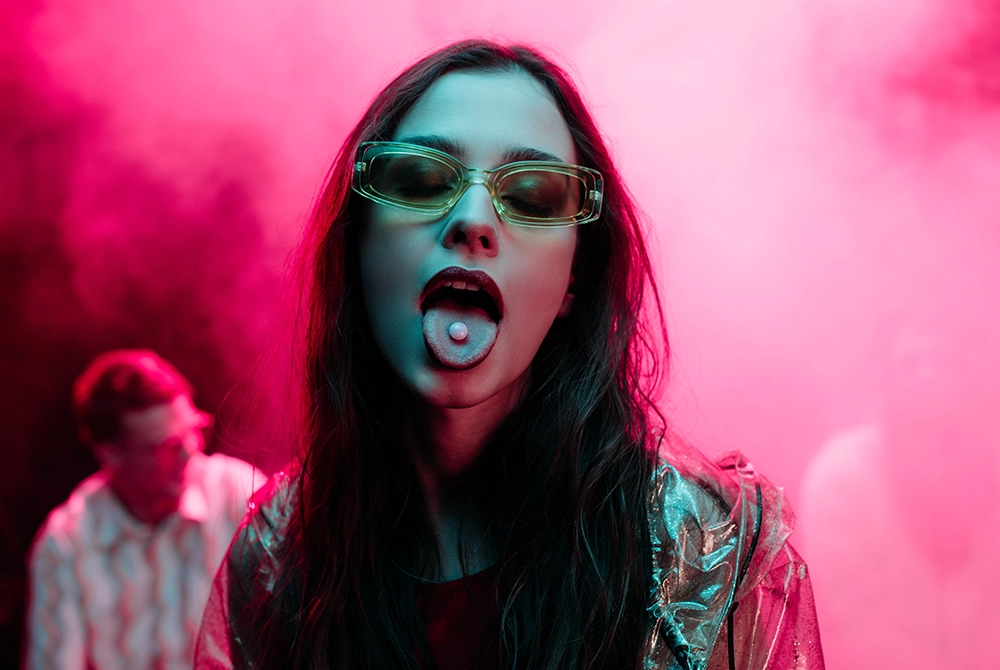
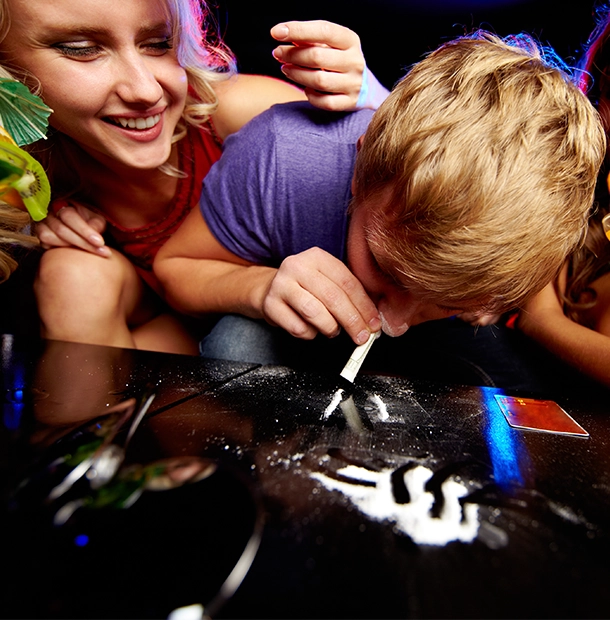
Despite their festive-sounding name, club/party drugs are among the most dangerous class of substances. They include a wide variety of drugs that are often sold and used in nightclubs and parties. One of the most well-known examples of a club/party drug is Ecstasy, which in the 1980s became a popular drug at “raves”, or all-night dance parties. Other club/party drugs are Rohypnol, Ketamine, GHB or Liquid Ecstasy, and hallucinogens including LSD, magic mushrooms and PCP.
One of the reasons these drugs are so dangerous is that they are chemically made in illegal laboratories that do not follow any health or safety standards. Nor is there any consistent formula for the manufacture of the drugs. There are many unscrupulous drug makers who mix the drugs with cheaper substances that may be poisonous. Users have no real way of knowing exactly what they are taking or what the effects will be.
As with most drugs, users have to take club/party drugs in ever-increasing amounts in order to achieve the desired effects. Club/party drug addiction is particularly harmful because many of these drugs, even when taken in small doses, can alter the chemistry of the user’s brain by triggering a higher-than-normal level of serotonin. This can have some far-reaching long-term consequences.
Recent Reviews
When should I seek club/party drug addiction treatment?
Because these drugs can literally be mind-altering, it is essential to seek help as soon as a problem is identified. The sooner a user enters a club/party drug addiction treatment program, the lower the risk of serious long-term effects. In addition, because these drugs are made with such a wide variety of ingredients that may contain poisonous chemicals, they can be fatal even when taken in low doses. Taking the step to seek treatment can quite literally save a user’s life.
Where can I get help?
If you are looking for club/party drug addiction treatment in Toronto, call Addiction Rehab Toronto. We follow a holistic approach to addiction treatment, with consideration for the individual’s spiritual, social, and community needs. Our supportive environment, staffed by therapists, substance abuse specialists, and addictions counsellors, will help you overcome your addiction and lead a positive life free of addiction and self-destructive behaviour. Our party drug addiction treatment program was developed by our clinical staff members, lead by a renowned University of Toronto professor of psychiatry – Dr. Paul Sandor.
Your treatment plan will be customized for your needs and circumstances. It will incorporate elements from a variety of treatment options which include the following:
- Medically supervised withdrawal
- Individual counselling
- Family and group counselling
- Cognitive behavioural therapy
- Contingency management education
- Yoga and meditation therapy
- Life management courses
- Physical fitness and nutrition
- Recreational activities
We invite you to call us at 1-855-787-2424, or send an email to info@addictionrehabtoronto.ca. We will do an assessment, discuss your treatment options and answer any questions.
Here’s a testimonial from our patient who recovered from ecstasy (MDMA) addiction
A Letter of Gratitude
Dear Team at Addiction Rehab Toronto,
I’m writing this letter because I want you to know what you’ve done for me. You didn’t just help me stop using MDMA; you gave me back my life, my sense of self, and my future. Now, six months into my recovery, I feel deeply grateful for everyone at Addiction Rehab Toronto who helped me on my journey back to health and wholeness.
When I first came to your center last year, I barely recognized myself. I was scared, ashamed, and unsure if anyone could really help me. I kept telling myself my problem wasn’t serious enough for treatment, that being hooked on ecstasy wasn’t a real addiction, and that I could fix it on my own if I just tried harder. I tried to quit many times, but each time I failed, and each relapse made me feel even more hopeless. I felt stuck in a cycle I couldn’t escape, making choices I knew were hurting me but feeling unable to stop.
Read More
When I finally asked Addiction Rehab Toronto for help, I was at my lowest. I had just lost my job, my long-term relationship was over, and I had a scary experience where I couldn’t stop crying for three days after using. My mom gave me an ultimatum, my bank account was empty, and I had to admit I couldn’t do this by myself.
From my first phone call, I felt something I hadn’t felt in years: hope. The intake coordinator didn’t judge me or downplay my experience because it was ‘just ecstasy.’ She listened with kindness and helped me see that psychological dependence is real, powerful, and deserves professional help. That support started to ease the shame I had been carrying.
At my first assessment, I met a counselor who really listened to my story. She asked about when I started using, what I was looking for in the drug, what my life was like before addiction, and what I hoped for in recovery. For the first time, someone treated my ecstasy use as a serious issue that needed real care. She explained how MDMA affects the brain’s serotonin system, why I was having such strong mood swings, and how psychological dependence can be just as tough as other types of addiction, even without severe physical withdrawal.
The treatment plan you made for me was detailed and personal. Instead of using a standard approach, you considered my situation, mental health, strengths, and goals. The mix of individual therapy, group counseling, psychiatric help, and holistic therapies addressed not just my drug use but also the deeper issues that led to my addiction.
Individual therapy became my anchor. My therapist helped me understand that I had been using MDMA to escape from anxiety, low self-esteem, and a deep sense of not belonging. We worked through childhood experiences that had shaped my self-worth, explored healthier ways to cope with difficult emotions, and gradually rebuilt my sense of identity beyond the party scene. She taught me that the feelings of connection and acceptance I sought through ecstasy were things I deserved and could find in authentic relationships and genuine self-acceptance. Those sessions were sometimes painful, often challenging, but always healing.
Group therapy changed me in ways I didn’t expect. Hearing others talk about their struggles with different substances made me feel less alone and less ashamed. I learned that addiction has similar patterns, no matter the drug, and that others shared the same struggles I did. The group became a safe place where I could be honest about my cravings, setbacks, and fears without being judged. The friendships I made in recovery showed me what real connection is—built on honesty, support, and shared growth, not the fake closeness from drugs.
The psychiatric care I received was also crucial. I was diagnosed with underlying anxiety and depression that I had been unknowingly self-medicating with MDMA. Starting appropriate medication and learning to manage these conditions properly removed one of the primary drivers of my drug use. My psychiatrist at your clinic was patient and attentive, adjusting medications as needed and helping me understand that treating mental health issues isn’t a sign of weakness but a path to strength.
I also really valued the holistic parts of my treatment. Yoga and mindfulness classes taught me to be present and to handle tough feelings instead of running from them. Nutrition counseling showed me how to help my brain recover with a good diet. Exercise programs gave me healthy ways to lift my mood and energy. These might seem like small things, but they showed me that recovery is about more than just quitting drugs—it’s about creating a healthier life.
One of the most helpful things I got from Addiction Rehab Toronto was learning about the science of addiction and recovery. Understanding how MDMA affected my serotonin system helped me understand my mood problems. Knowing my brain needed time to heal, and that the depression and lack of joy I felt early on were temporary, made those hard weeks easier. You gave me realistic expectations for recovery and helped me celebrate small wins.
The relapse prevention planning we did together has been essential to my continued sobriety. You helped me identify my specific triggers—certain friends, certain venues, feelings of boredom or social anxiety, even certain types of music. We developed concrete strategies for handling each trigger, from having scripts ready for turning down offers to use, to building a support network I could call when cravings hit, to finding alternative social activities that didn’t revolve around the club scene. You helped me understand that relapse doesn’t have to mean failure, but that with proper planning and support, I could avoid it altogether.
The aftercare support has been just as important. Knowing I can still go to alumni groups, talk to counselors, and get help when I’m struggling has made a big difference. Recovery didn’t end when I finished the main part of treatment; it’s ongoing, and you’ve kept supporting me all the way.
Today, my life is unrecognizable from where it was a year ago. I’ve been sober from MDMA for six months, the longest period since I started using. I’ve rebuilt relationships with my family—my mom and I talk every week now, and my sister and I are slowly regaining the closeness we once had. I’ve found a new job in a field I’m genuinely excited about. I’ve made friends who support my sobriety and share my interests in hiking, book clubs, and volunteer work. I sleep better, my mood is more stable, and I’m rediscovering interests and passions that had been buried under my addiction.
Even more important, I’ve found myself again. I’m learning who I am without drugs, what truly makes me happy, what my values are, and what kind of life I want. I’m building self-compassion and self-respect. I’m learning that I deserve love and belonging just as I am, without needing to change myself to feel accepted. These may seem simple, but for someone who thought she needed drugs to be interesting or worthy, they’re life-changing.
I won’t say recovery is easy or that every day is perfect. I still have cravings, low days, and moments when I miss my old life. But because of the tools, insights, and support you gave me, I know how to handle these challenges without going back to ecstasy. I’ve learned that discomfort doesn’t last forever, that I’m stronger than I thought, and that real happiness is worth the effort of recovery.
To everyone at Addiction Rehab Toronto—the counselors, therapists, psychiatrists, intake coordinators, group leaders, and support staff—thank you so much. You saw me at my lowest and believed I could get better. You treated me with respect when I felt worthless. You gave me expert care and always remembered I was a person. You gave me the knowledge, skills, and support I needed to break free from something that was ruining my life.
You didn’t just help me stop using a drug. You helped me build a life I want to live, one where I don’t need fake happiness because I’ve found real contentment, purpose, and connection. You gave me back my future and showed me that recovery is possible, even when it feels impossible.
I will carry the lessons I learned at Addiction Rehab Toronto with me for life. I plan to pass on the compassion and support you gave me by helping others in their recovery. I will never forget that you were there when I needed help the most.
With profound gratitude and respect,
Jane